Category: personal

  • Matsuzaki Sensei’s workshop

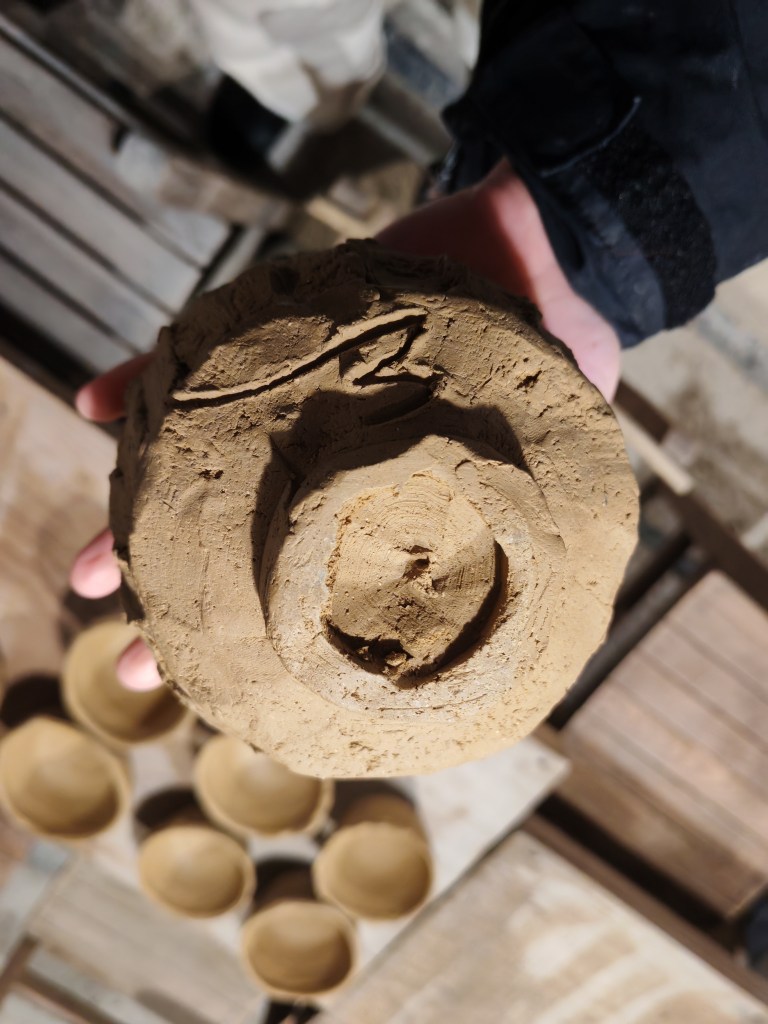
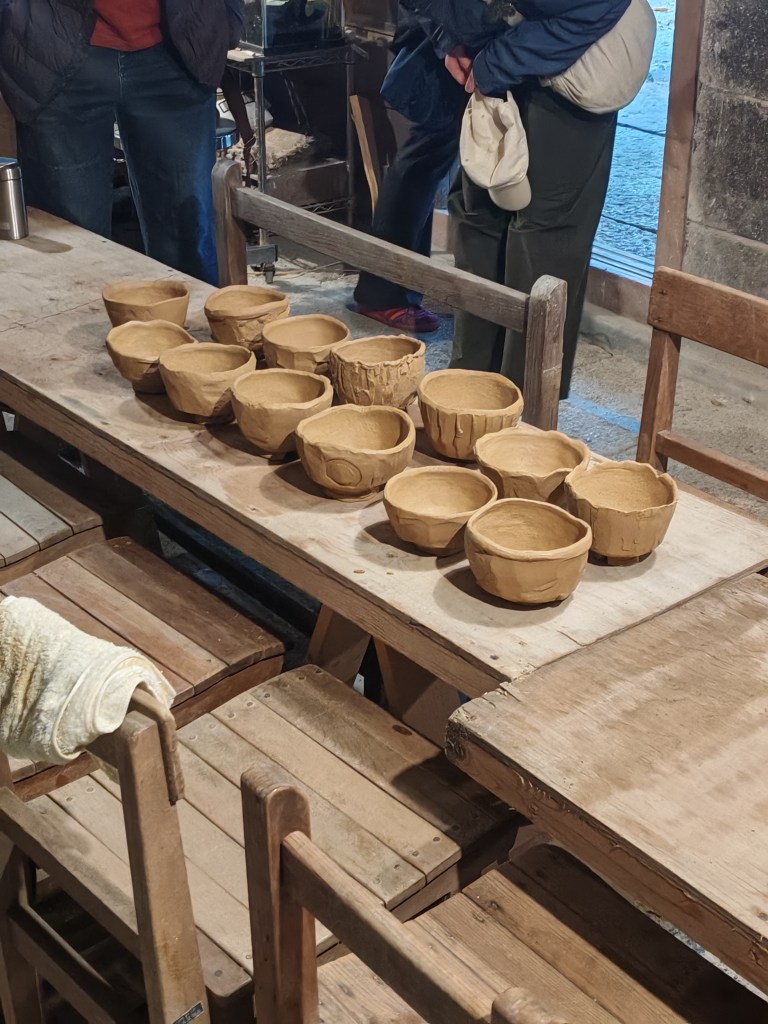
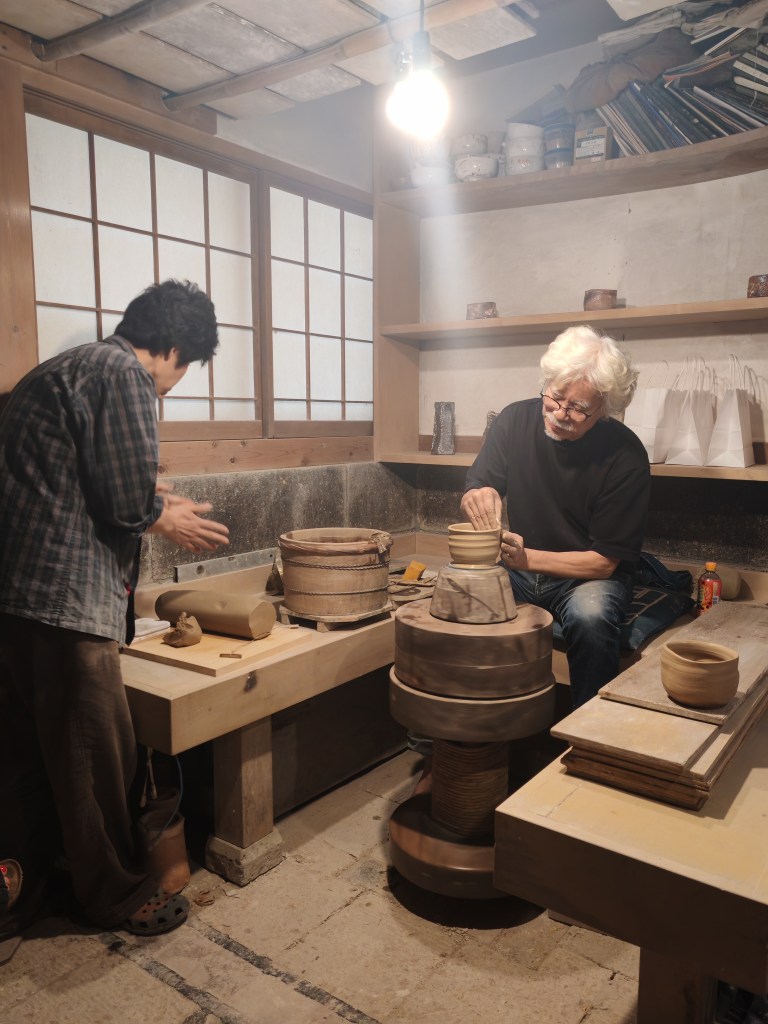
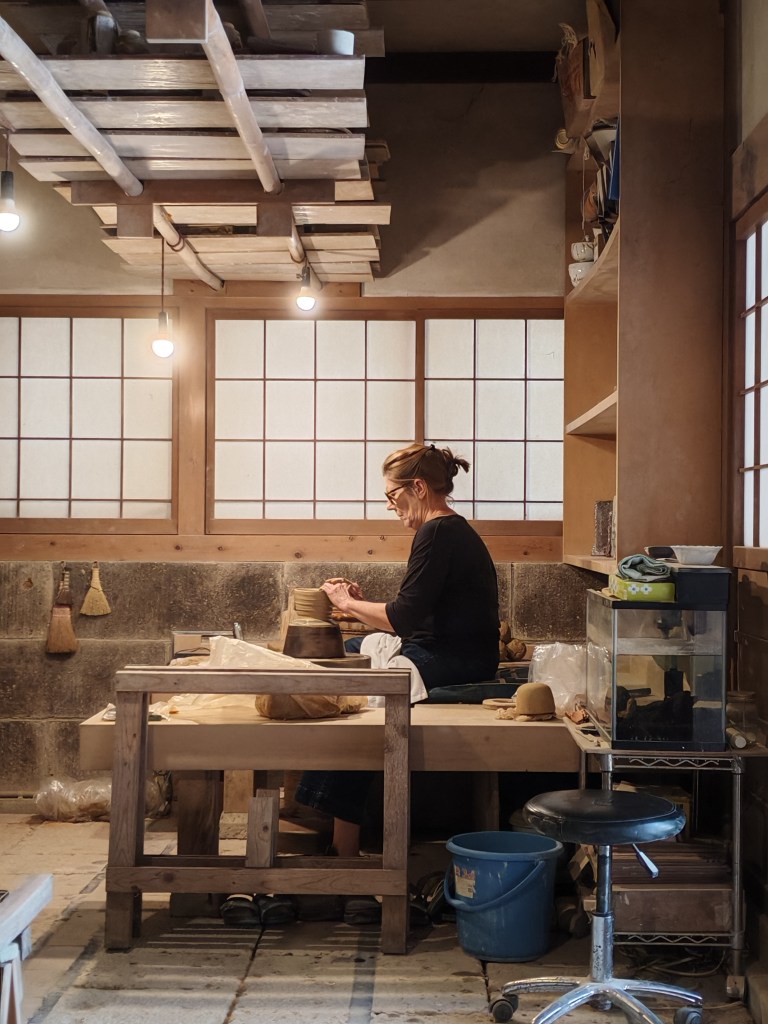
    I welled as I looked over the bowls on the table, realising it is the end of the week, the end of our time in Mashiko with Matsuzaki Sensei, the end of the masterclass, the end of what we have been building up to for nearly a year. Those seminal moments when something so long anticipated comes to a close and you’re left in a very special mental place of pause. My teabowl made, carved and signed, ready to be fired before Ken Matsuzaki returns to the UK in 2 years time. I hope it goes through the anagama he designed, a mix of noborigama and his own architecture of chambers. We stand for some photos, Matsuzaki Sensei said he “had fun” and that our bowls “are teabowls” – an unianticipated and memorable compliment, but that is hard not to ascribe to a general good mood and, to my eyes, Lisa’s company. I was the last to leave the workshop, looking over to where Doi had been preparing Masuzaki Sensei’s clay, the paper window he has peformed his Punch and Judy impersonation from, passing tools through from outside, hopping up seamlessly out through the windows and back in through the doors like a refined acrobatic routine that is demanded of you being Matsuzaki Sensei’s assistant. Reiko had been standing by the door as everybody walked by her in single file, with what to me was the glowing body language of somebody who wants to be hugged. She is Ken Masuzakis English speaking daughter who had done a great deal of not only translation but refined selections of what to say to each side of the party during our trip, as cultural differences and some party members being of a non-silicate disposition, she handled our socialising after the last week with a degree of care and grace that will I’m sure be retold after our departure. I opened my arms and gave her a tight squeeze to which she cooed and confirmed she had been inviting for a while now. I had an overwhelming need to punctuate this moment somehow, not just to walk out of there but try and show Ken Matsuzaki Sensei how much we had been looking forward to meeting him, hung on his every word (sensitively translated by Reiko) and a week most of us will remember forever. I turned to him and bowed, said thank you, and tilted my hips again. The pause was just enough to give a space to that moment that it really needed. Of course this swelled up in me into a well of emotion as I stepped out into the rain, my eyes welling, my heart beaming. There is nowhere like that I have ever been, and even more to be intimately accepted into that workshop where so much incredible work had been made. Tears rolled quietly on my cheeks and everything was still in my mind and a deep gratitude in my heart. The gratitude spills over to the people I love, everyone who has loved me and had supported me getting there. Even the drops of water bubbling on the puddled ground feel vulnerable, beautiful, sentimental, and I am in love with Japan and all it has given me.
  • where to go

    Dust is settling from the new beginnings in the midlands and starting Clay College.

    The dust settles both metaphorically within me as I gently find my pulse at MiddlePort and literally in the workshop as it remains mainly empty for the winter break. At home, researching, reflecting, diving down DigitalFire rabbit holes, day (and night) dreaming of what’s possible to achieve during the next two years. What was once a long outstretched horizon of two big pregnant years can soon become more of a blink to a busy mind. It has been a source of contemplation as to how to make the most of my time here, which will be everything from extensive, laborious and generously seductive in potential, to infuriating and Sisyphean and inevitably too short to realise it all. SO the question remains, how to use my time the wisest and what do I really want to achieve in this time? Where do I want to be when I leave and what do I need to do to get there?

    It is important for me to pursue the greenest practice possible, low-impact and resourcefulness. This thread will guide me towards my practice being as energy, ethically and environmentally positive as it can be when I leave college, exploring alternatives to materials such as Cobalt and Lithium have already hit my radar and I am yet to fully comprehend the abundance of glaze chemistry. I still want to achieve that rich blue but without supporting slave and child labor in the DRC. If I am to stick with earthenware I will have to consider my options without using Lead glazes. I am engrossed by alternative firing and the potential surface treatments for salt, soda and wood firings but they will not be until after the new year.

    As we are so meticulously exploring each clay body I am well and truly stuck into terracotta and learning about her luscious and mysterious bahaviours with other materials. There is a fine balance in the luscious world of earthenware slips between a juicy surface and a slaking or over cooked one. Slip, at a pint weight of around 25/26 can be applied to a just-turned-to leather hard surface, no sooner, no later.

    If I am to embed earthenware into my practice my main intention was to find a blue glaze that is bright and shiny at this temperature without using cobalt. Having achieved that now I am left with a sloppy messy body that loves to stain and feels notably juvenile in its essence compared to other seemingly more self-serious bodies of stoneware and porcelain which are all to come.

  • bowens

    Today we had a workshop with Clive and Dylan. Their double act of humble, honest and sincere making was a super special day, having not worked together for over 10 years, we were incredibly lucky.

    quotes:

    D: something chunky doesn’t have to be so well made

    D: join wet and quickly – let it “turn up”….not contrived

    C: the wetter the better

    C: too much reduction turns yellow slip green. No smoke in oxidation

    D: put it out of sight to stop fiddling with it

    They use 3% copper oxide in white slip to make it green. Clive has a downdraft round kiln that goes underground to an updraft bottle kiln with raku on top.

    What a beautiful way to spend a day, an absolute dream, to see the sincerity in their eyes and making with clay with full conviction and understanding. Dylan proposes a privileged idea that what his work is used for isn’t his business – domestic or sculptural he is a commentary on his fathers traditional ways.

  • the Tao of project 1

    Seeing the first pieces out of the gloss kiln have got me thinking about perfectionism, over-striving and Tao. My hopes for the first project at college were so waivering as my focus is pulled in so many directions. An onslaught of technical information crashing down on a conceptual maker has been overwhelming to say the least.

    Having been indoctrinated to the canon of slipware potters that create the fabric of Stoke-on-Trent I soon realised my pieces are so terribly made it’s like I’ve just held clay for the first time. In comparison to these generational potters, my 2 months at the wheel compared to 2 decades is noteable. But the imposter syndrome fades away and I’m reminded of my place here and then I’m quite happy with the first things I have made, and actually, they are quite bad. The possibility that everything I could possibly make at Clay College could possibly be “bad”. And that’s OK. Because I am not a production potter in the pottery industry of Stoke-on-Trent. Maybe I will learn their ways but I am on a bumpy and bountiful journey of discovering the techniques of our long history of ceramic craft with no idea of my destination to date. And that’s OK too. Perhaps in being in the “wrongness” will open the flow of the “rightness”.

    To over complicate things too early on, over-intellectualise the process before it’s fully understood, adopt an out-of-reach explanation for fairly simple objectives, lead me to a place of over-whelm, impostor syndrome and ostracised from my channel of inspiration. Taoism, as much as I can, from here on in.

  • topographies of the obsolete

    The remarkable thing about Stoke is the obselescence of the post-industrial landscape in which the populated parts of these towns are still nestled. Between the chippy and offi you pass an old packing warehouse, two bottle kiln burial sites and a Victorian indoor swimming pool with the windows smashed through. There’s the echo of a pre-Thatcher flourishing economy that died a hard and now mummified death as if the sliphouse was used only yesterday. Skeletons of warehouses and shop floors stand, and crumble around those who have chosen to still call Stoke home.

    Working in the pots is nothing abnormal here. But the irony of how competitive the title of ‘ceramic designer’ would be in East London amoungst Turning Earths finest, in comparison to the very real and very disdainful flash of personal trauma that glints over the eyes of the man, down at The Old Wheatsheaf in Tunstall, who held that same title for decades here in Stoke feels like a tragedy.

    Coming back from College, our favourite route home is over the Burslem hill – when we drop down over the other side there’s a glimpse of a view across the city. Punctuated between two ruins, on one side a bordered up ceramic workshop and the other a grade II listed building that was once the Roman Catholic Church of St. Joseph that burned down in 1983, leaving only the pillared facade as its remains. This daily glance over the beloved town, finding beauty in its abandoned framing, has become a ritual of paying our quiet respects to the city to which we owe so much.

    The ceramic industry in the UK would be nothing without Stoke. The globally renowned Staffordshire slipware wouldn’t exist. Supplying China Tea sets internationally to royalty and civilians alike, purveying pottery across the world for decades. The beautiful and glorious echo of what once was a roaring, breathing landscape of fire and smoke more akin to a clutch of dragons, paving the way for industrial ceramics, can be heard rippling through the cold crisp air when you stop and listen closely enough.